Keep one eye dark
Use a dim red light only when needed. If a white screen or headlamp interrupts your session, close the observing eye until the light is gone.
Field notes for looking up
Field edition NW—01
Start with your own vision
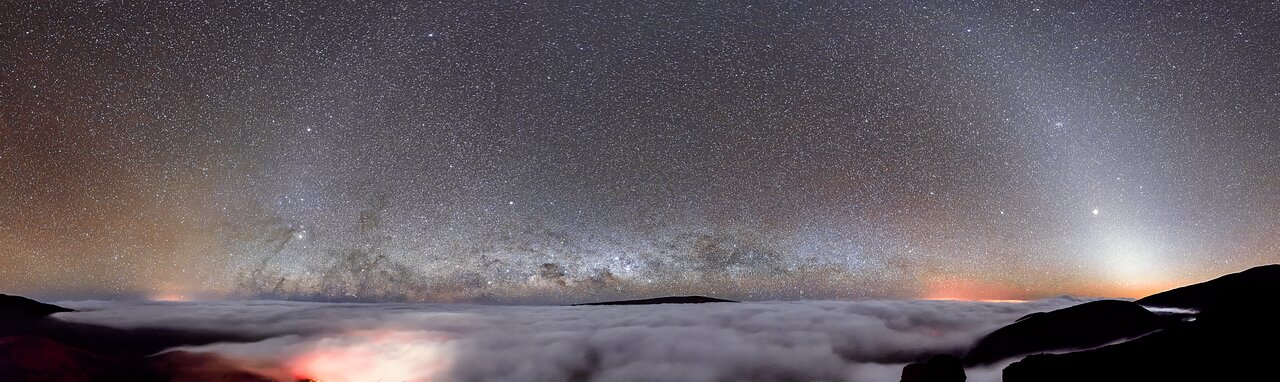
Dark adaptation changes what the sky contains. Put away the bright screen, let faint structure arrive gradually, and use the telescope only after you have learned the field around it.
Set up an observing sessionObject study / Emission nebula
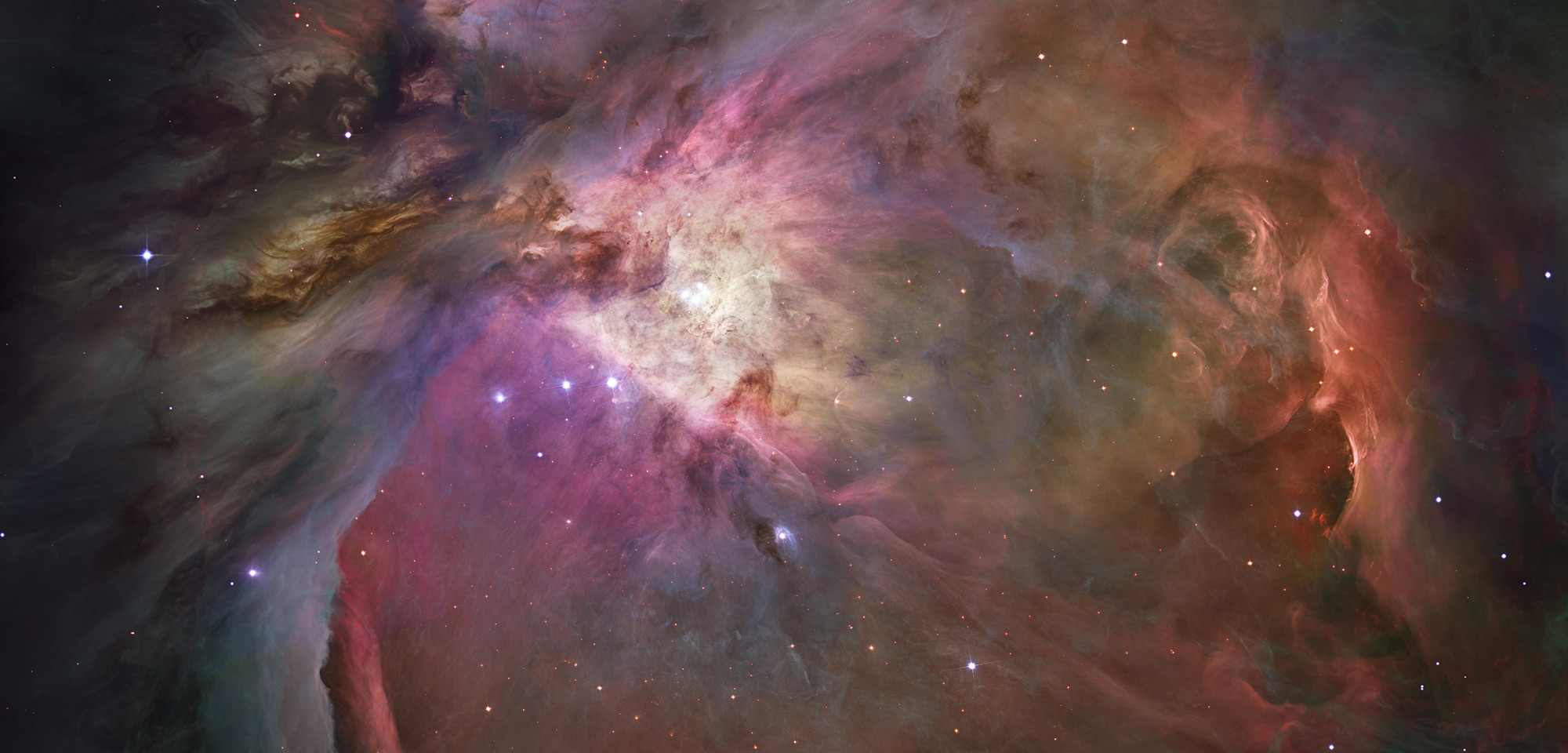
The middle “star” in Orion’s sword is not a star at all. It is M42, a cloud of glowing gas and dust where new stars are forming, roughly 1,300 light-years from Earth.
A scale you cannot draw on one page
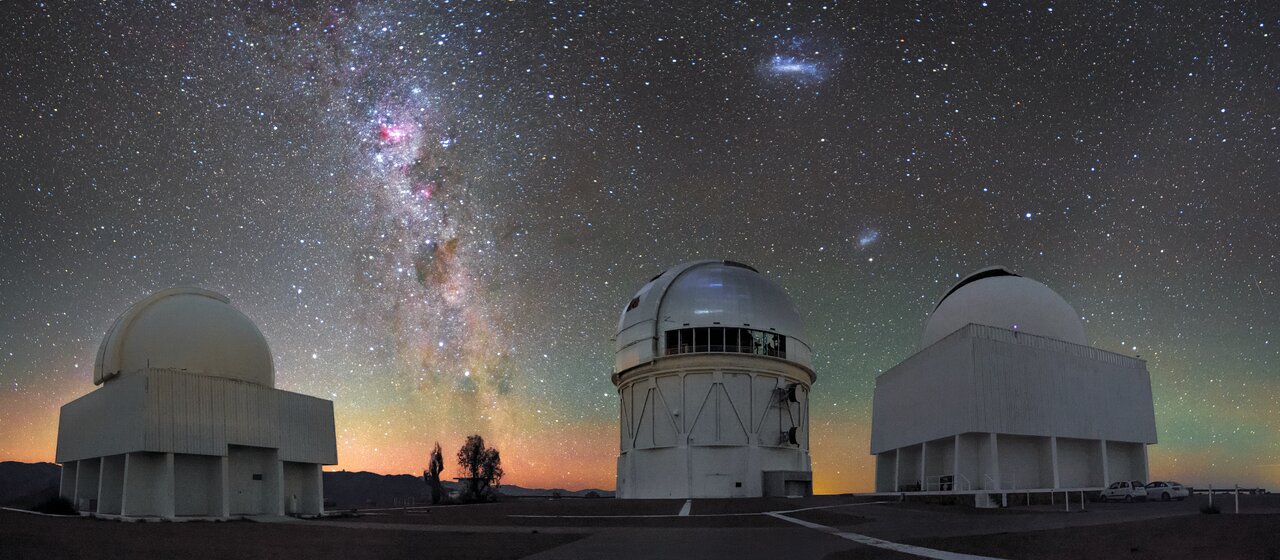
Ground practice
A larger telescope can resolve finer detail, but it cannot remove haze, turbulence, poor focus, or a bright sky. Good observing begins with conditions, patience, and a stable instrument.
Use a dim red light only when needed. If a white screen or headlamp interrupts your session, close the observing eye until the light is gone.
Stars that flicker violently often signal turbulent air. Planets may hold steadier because their small disks average the disturbance across a wider apparent area.
Low magnification gives a wider, brighter field and makes objects easier to locate. Add power only when the target and the atmosphere support it.
A chair improves more views than an accessory catalog suggests. A steady head and relaxed eye reveal detail that a strained standing position hides.
No telescope required
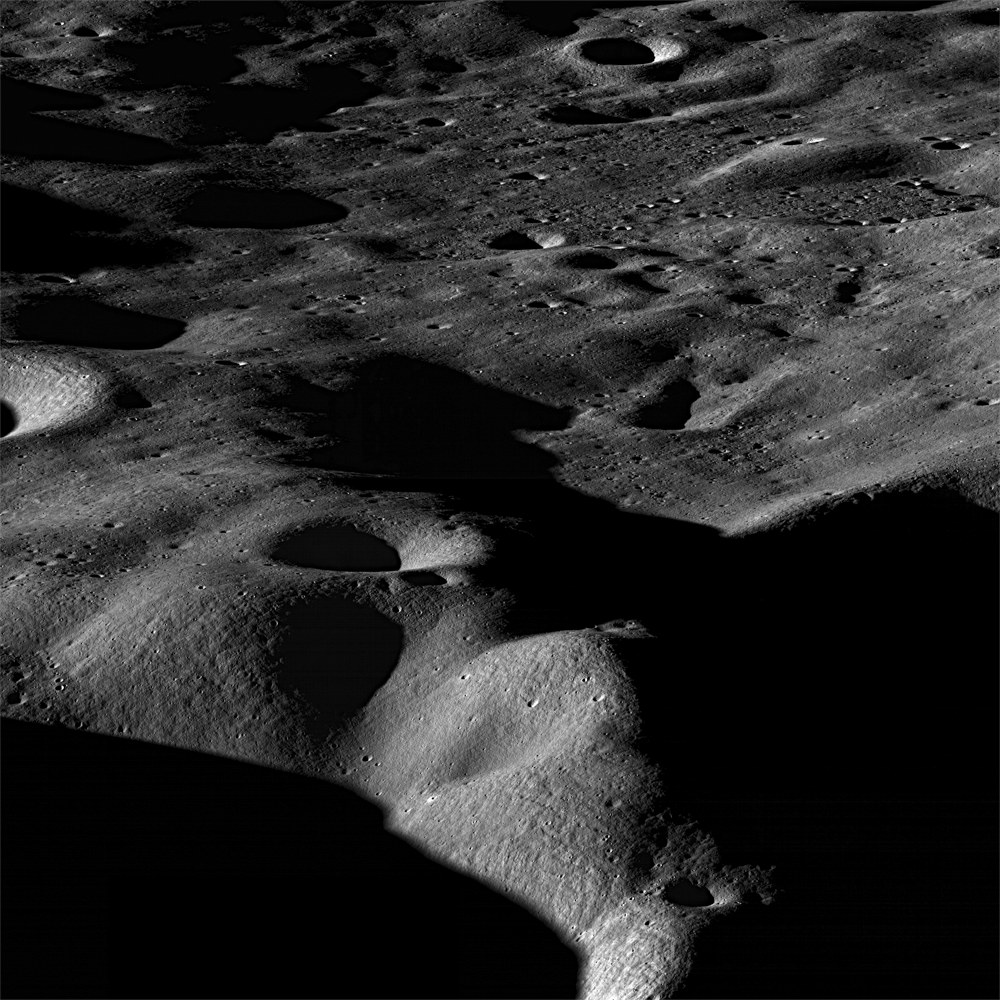
Lunar surface01
Look along the terminator, where low sunlight throws crater rims and mountain relief into long shadow. A full Moon is bright, but often visually flatter.
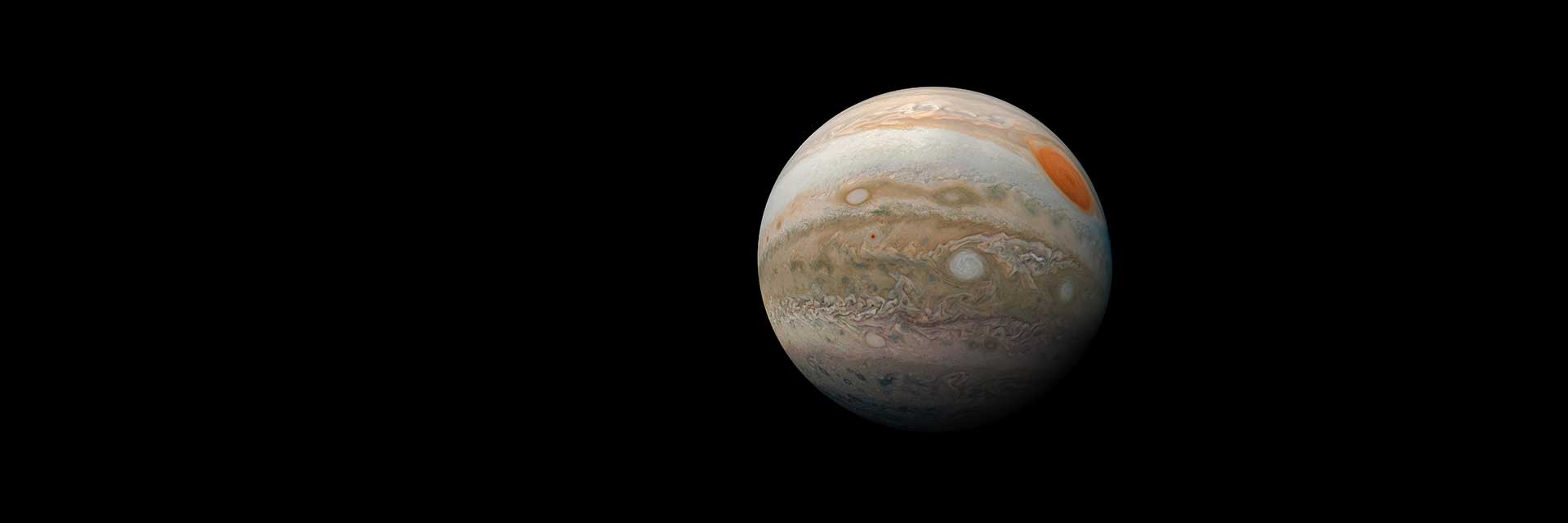
Bright planet02
It is bright enough to appear before many stars. Watch its position against the constellations over weeks; binoculars held steadily may reveal its four largest moons.
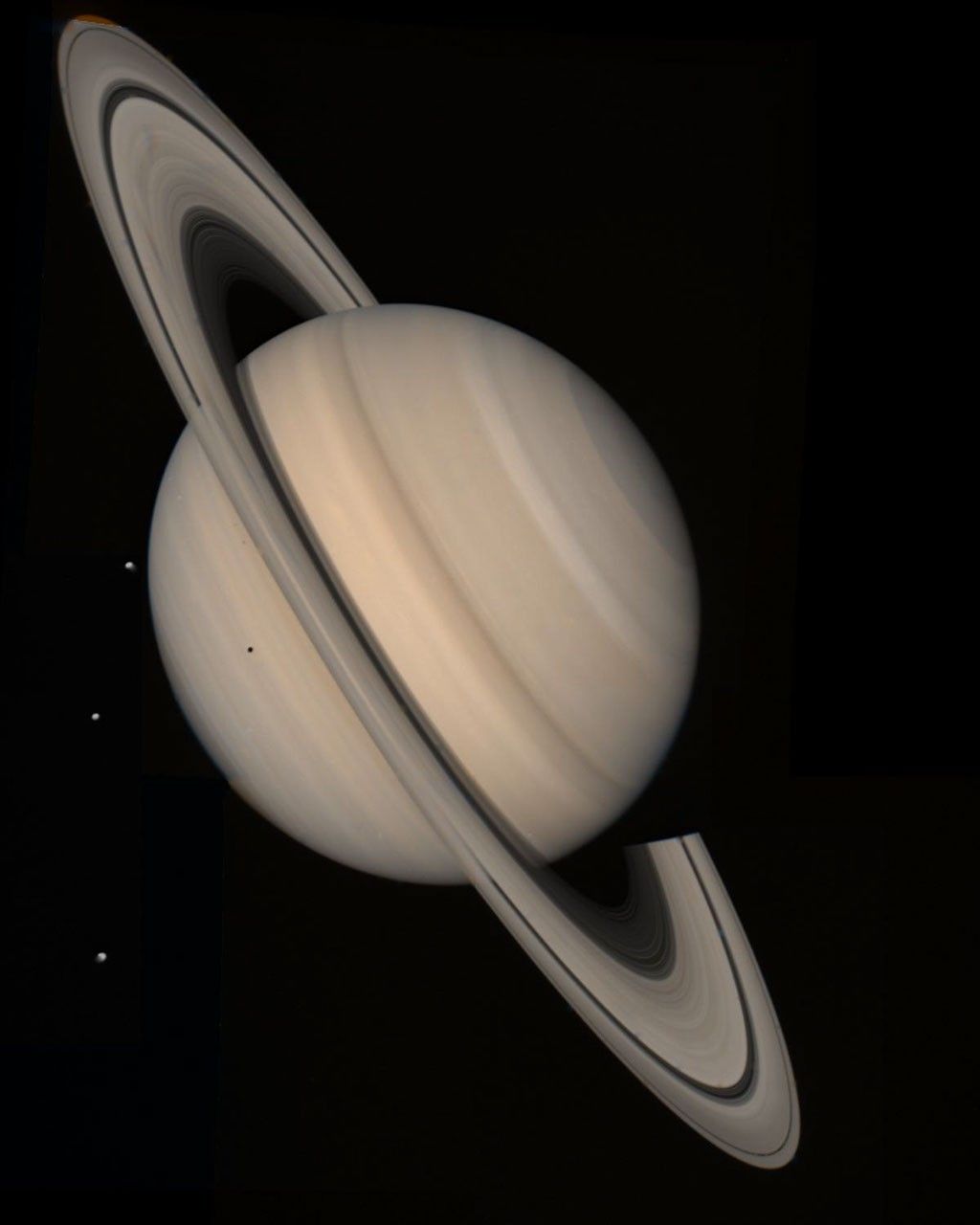
Outer planet03
To the unaided eye Saturn is a steady, pale point. Its rings need magnification, but even a modest telescope can separate them from the planet when the atmosphere is stable.
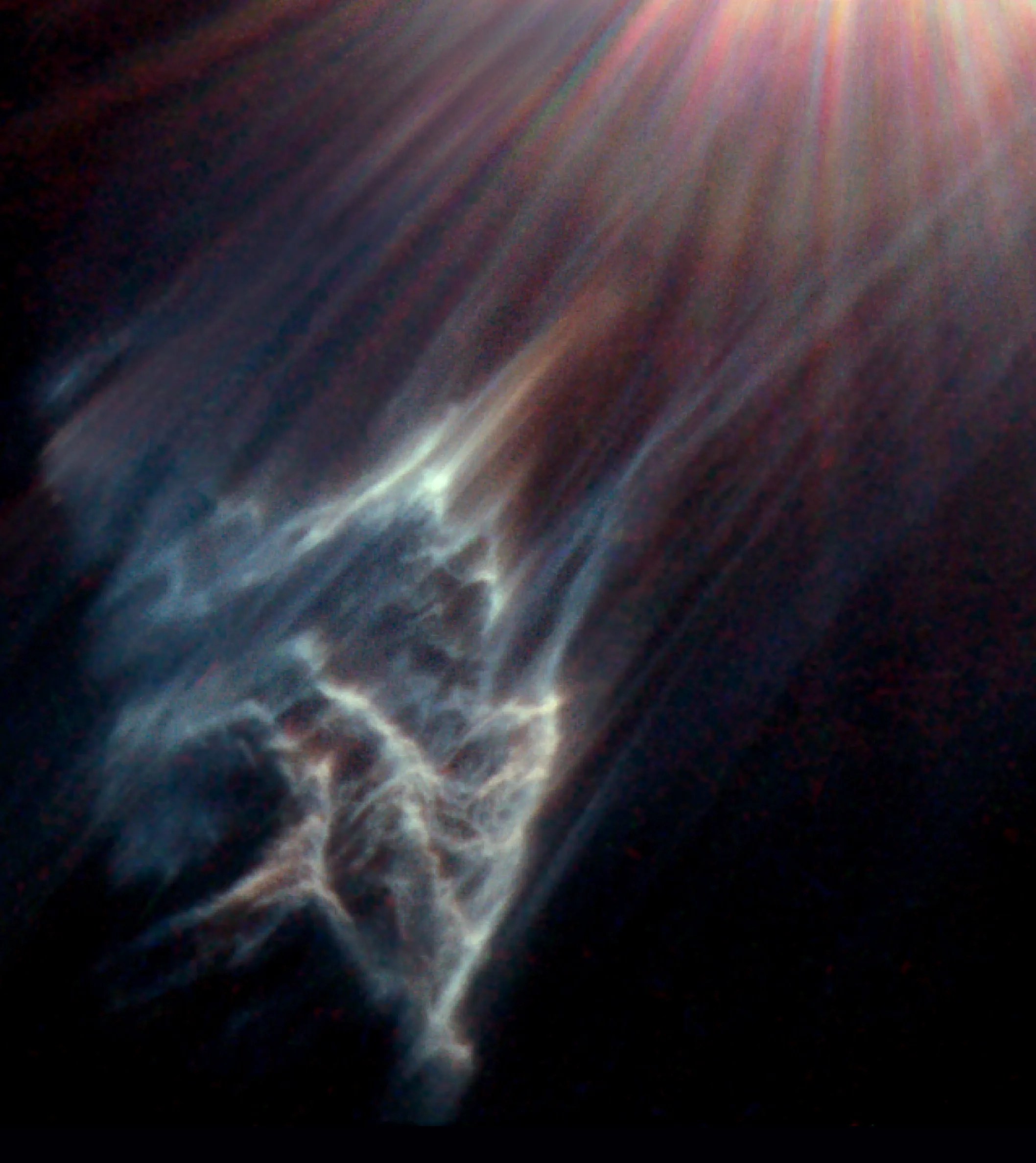
Open cluster04
M45 is a compact gathering of bright stars in Taurus. Count what you can see directly, then look slightly to the side and let averted vision bring fainter members forward.
Sky pattern05
Use the brightest shapes as addresses, not illustrations. Learn one reliable pattern and use it to move toward fainter stars, clusters, and nebulae.
Transient trail06
No optical aid improves the wide field needed for meteor watching. Face away from local glare, keep the horizon open, and give the session time.
Celestial mechanics / Lunar phase
Half of the Moon is always lit by the Sun. As the Moon orbits Earth, our viewing angle reveals a changing fraction of that sunlit hemisphere. New moon, quarter moon, and full moon are positions in that geometry.
Common correctionAn ordinary lunar phase is not Earth’s shadow on the Moon. Earth’s shadow is involved only during a lunar eclipse.
Not to scale / view from above the north pole
Small atlas / Northern fields
Catalog numbers are practical handles. They let observers refer to the same object without relying on translated names or informal descriptions.
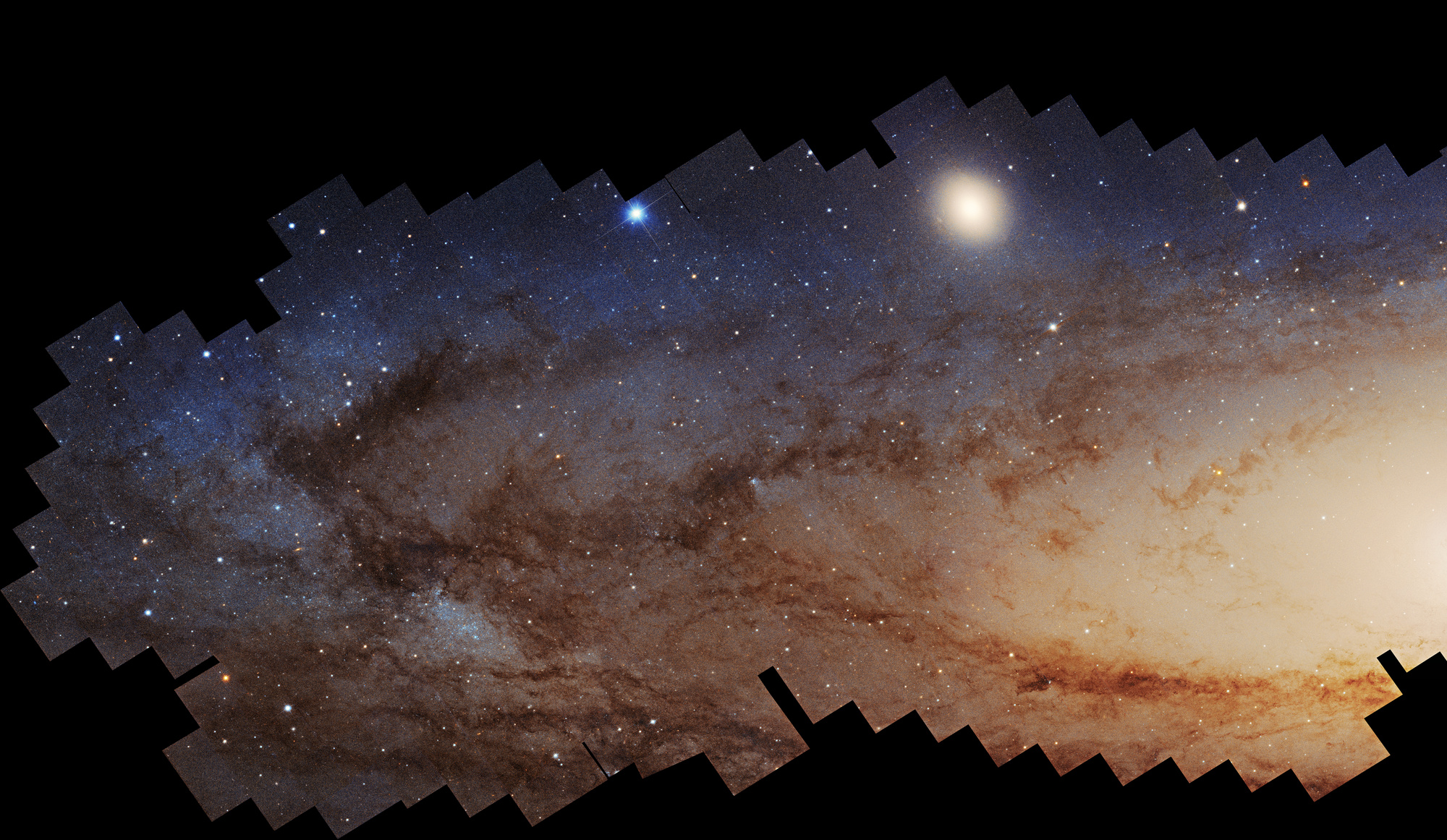
Spiral galaxy / Andromeda
Faint naked-eye patch under dark skies
Emission nebula / Orion
Visible in Orion’s sword
Open cluster / Taurus
Excellent in binoculars
Globular cluster / Hercules
A soft point in binoculars; granular in larger aperturesSpiral galaxy / Canes Venatici
Dark skies matter more than high magnification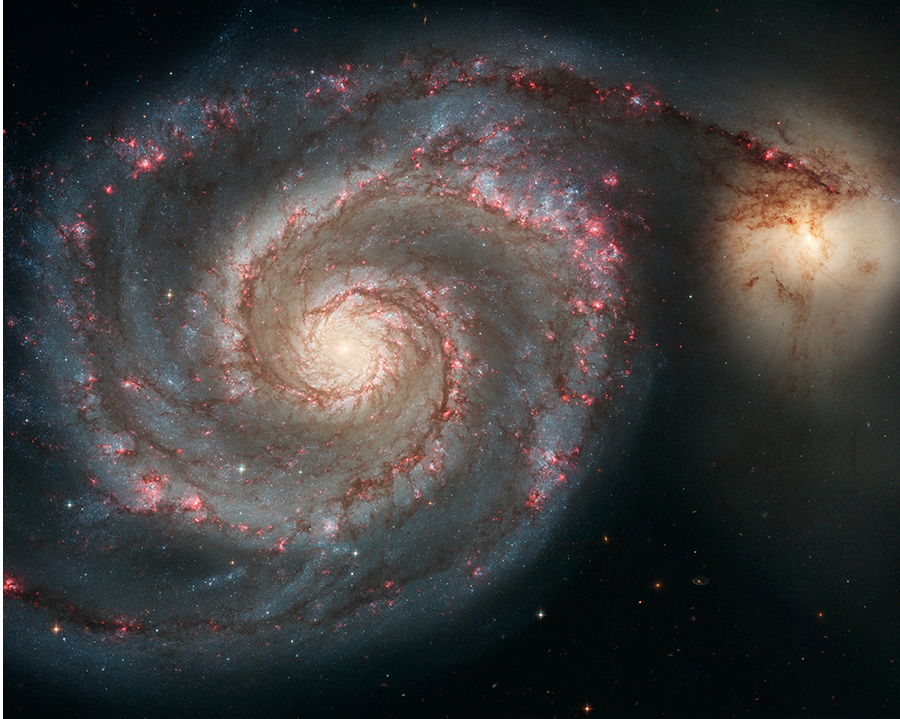
Observation notes
Averted vision places a dim target on a more light-sensitive part of the retina. Look just beside a nebula or galaxy, keep the eye relaxed, and wait for the signal to recur.
Apply it to M42 ↗Near the terminator, sunlight arrives at a low angle. Long shadows make relief legible, turning small changes in lunar phase into a fresh landscape.
Review the field setup ↗Aperture controls light collection and potential resolution. Magnification spreads the available light over a larger apparent area; it cannot create detail the optics or atmosphere did not deliver.
Read the ground practice ↗Two-eyed viewing, low power, and a broad field suit open clusters, the Moon, and constellation-scale routes. A telescope is not automatically the better first instrument.
Open the small atlas ↗
End of field note
A useful log is brief: place, sky conditions, instrument, magnification, and what became visible after patient looking. The next observation then begins with evidence instead of memory.
Choose the next object